
“Different Contexts, Shared Aspirations”: Youth Dialogue Held in Gaza to Mark International Youth Day 2026
“Different Contexts, Shared Aspirations”: Youth Dialogue Held in Gaza to Mark International Youth Day 2026
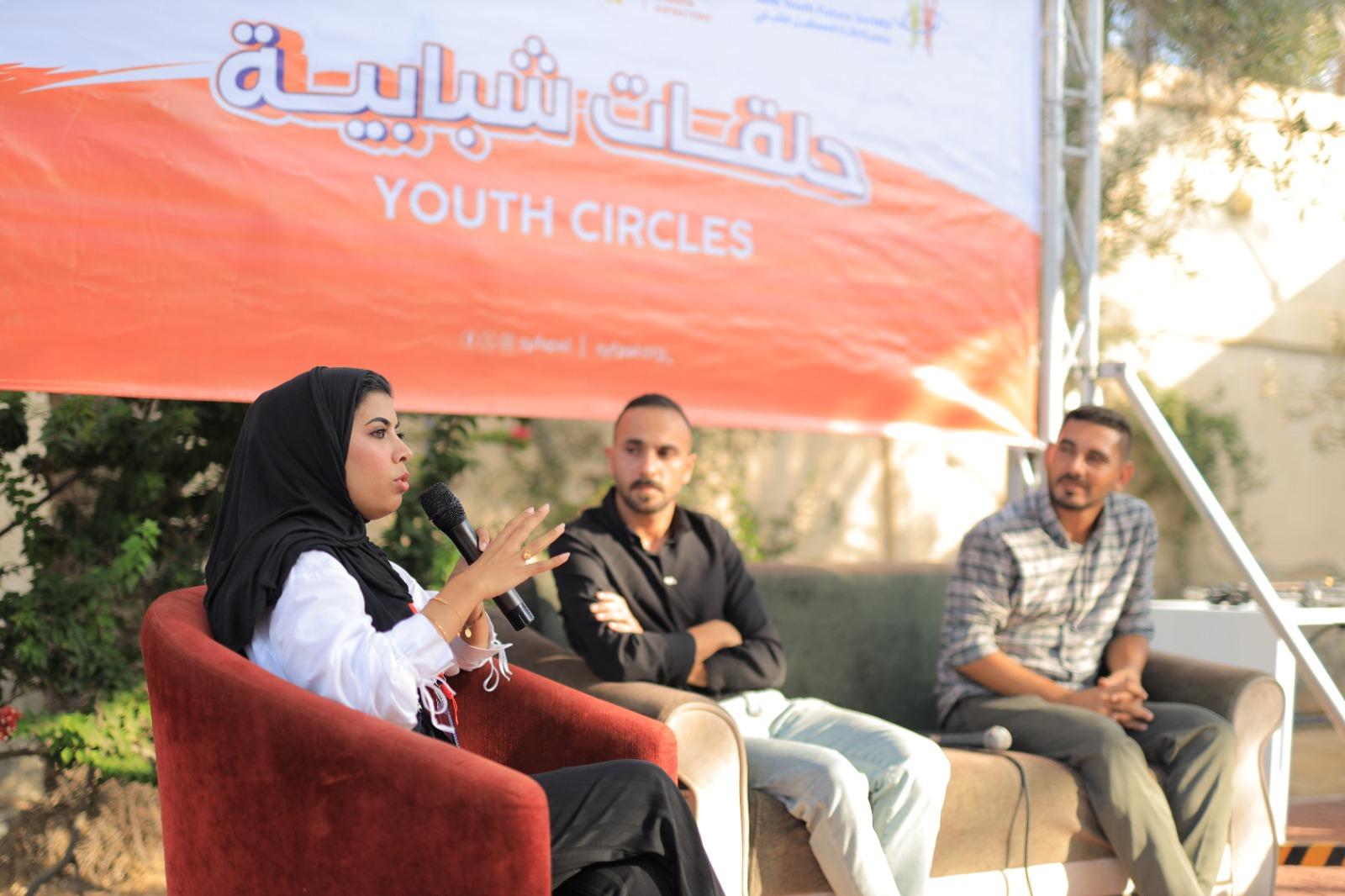
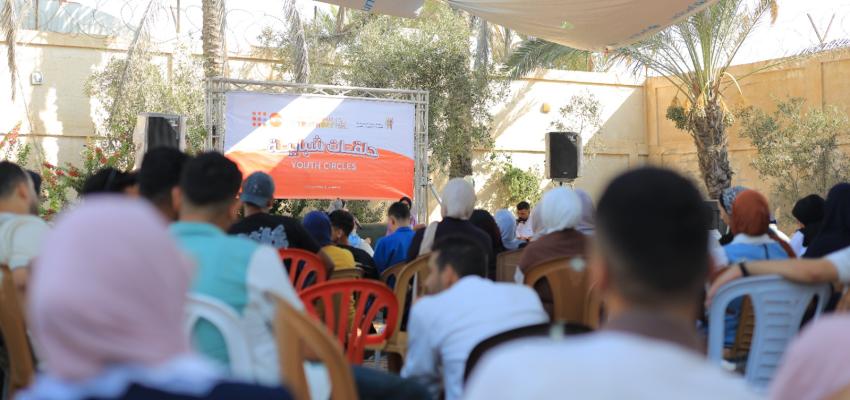
Published on Tuesday - 2026/08/11Save Youth Future Society, in partnership with youth councils across the Gaza Strip, organized a youth dialogue session on Saturday, August 8, 2026, entitled “Different Contexts, Shared Aspirations,” to mark International Youth Day 2026, observed annually on August 12 under the United Nations theme “Different Contexts, Shared Aspirations.”
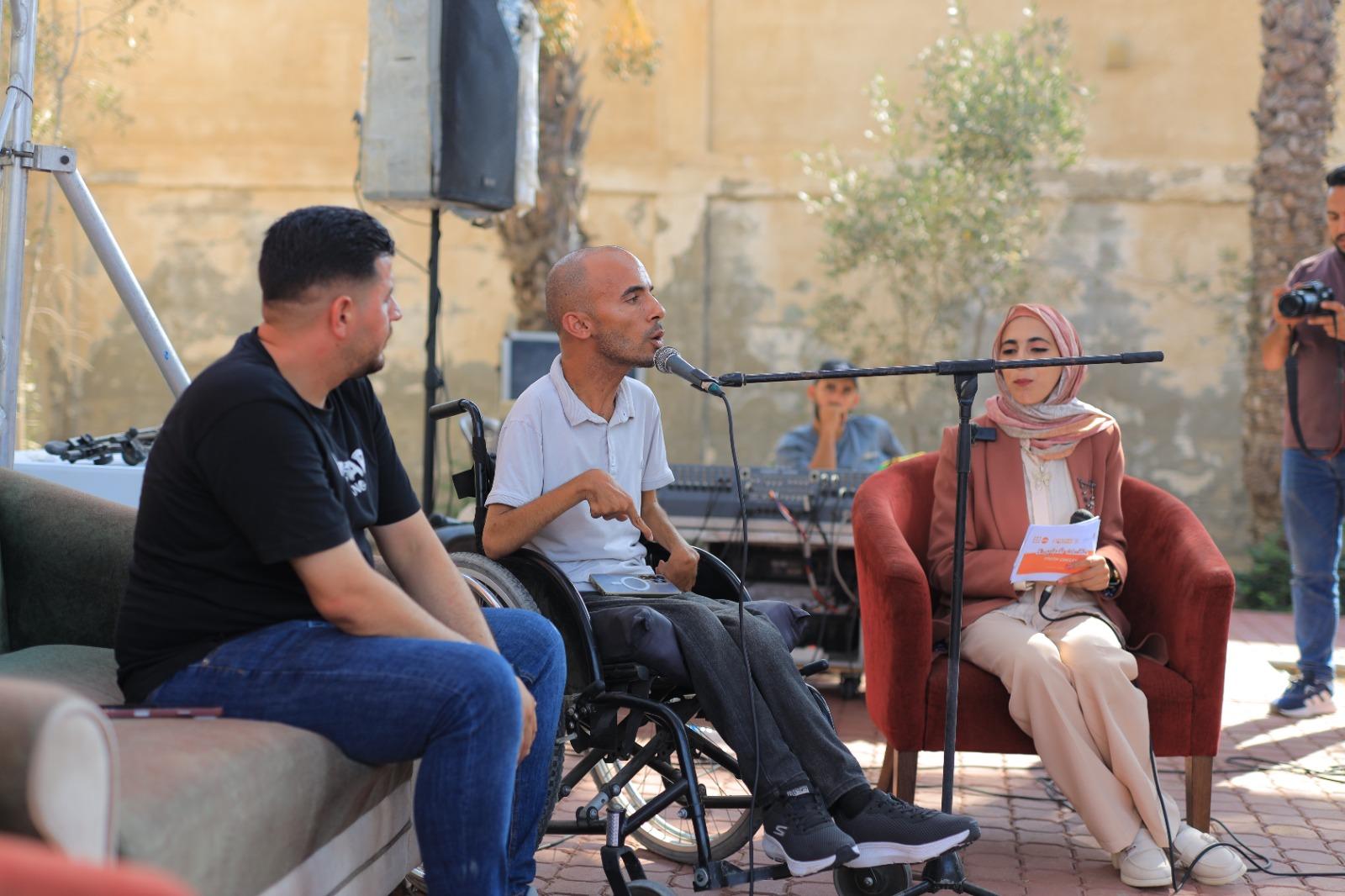
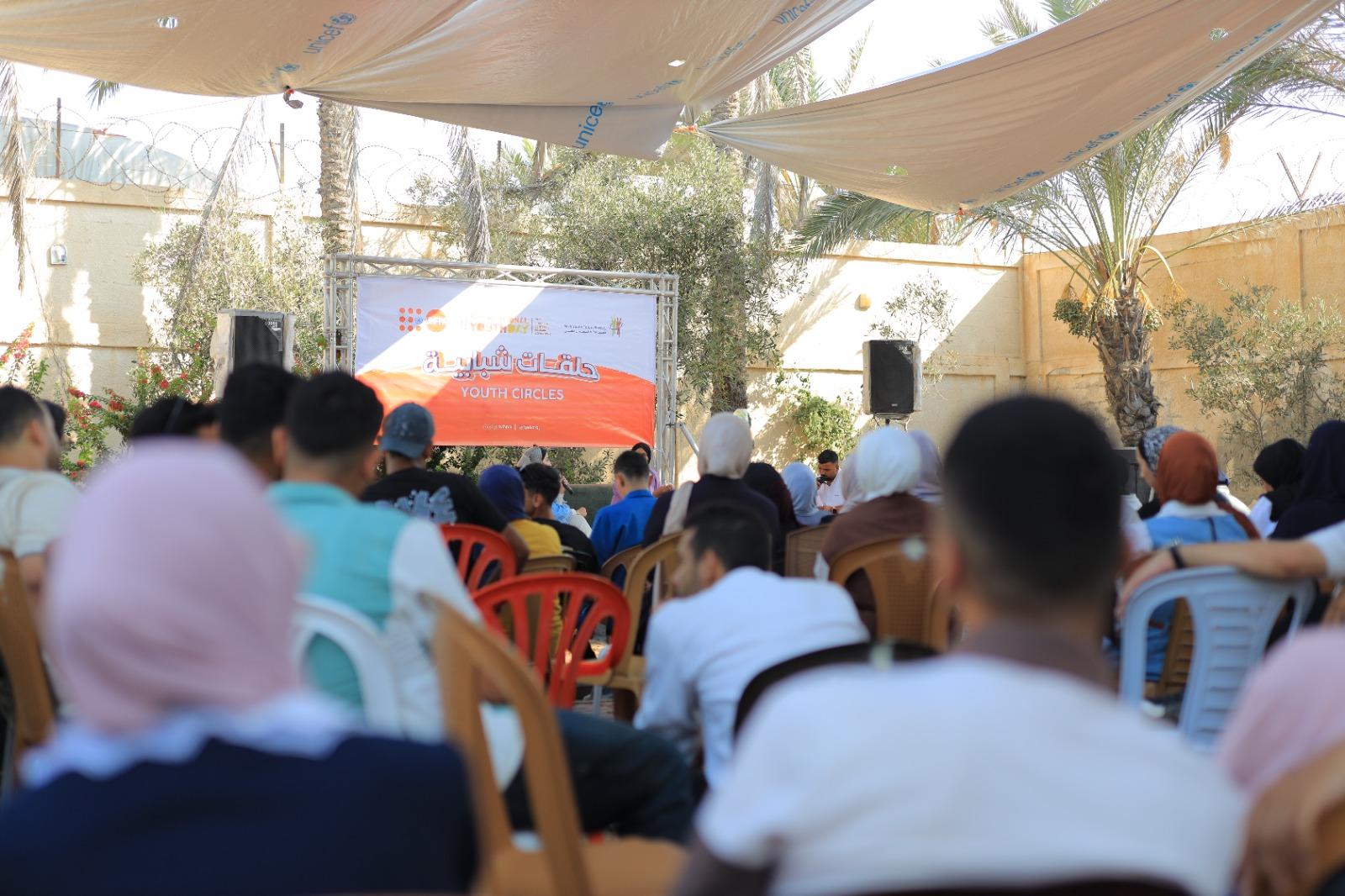
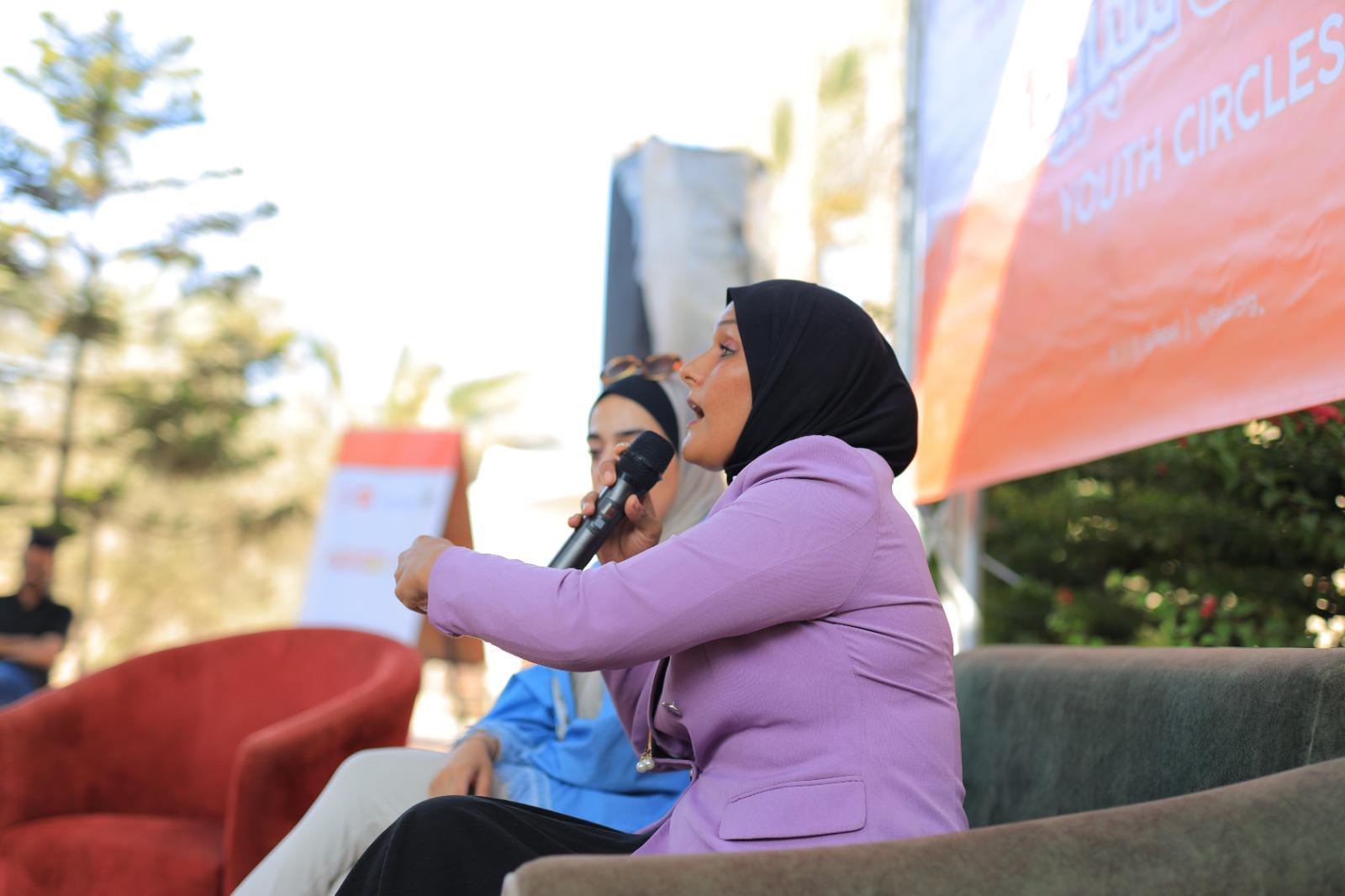
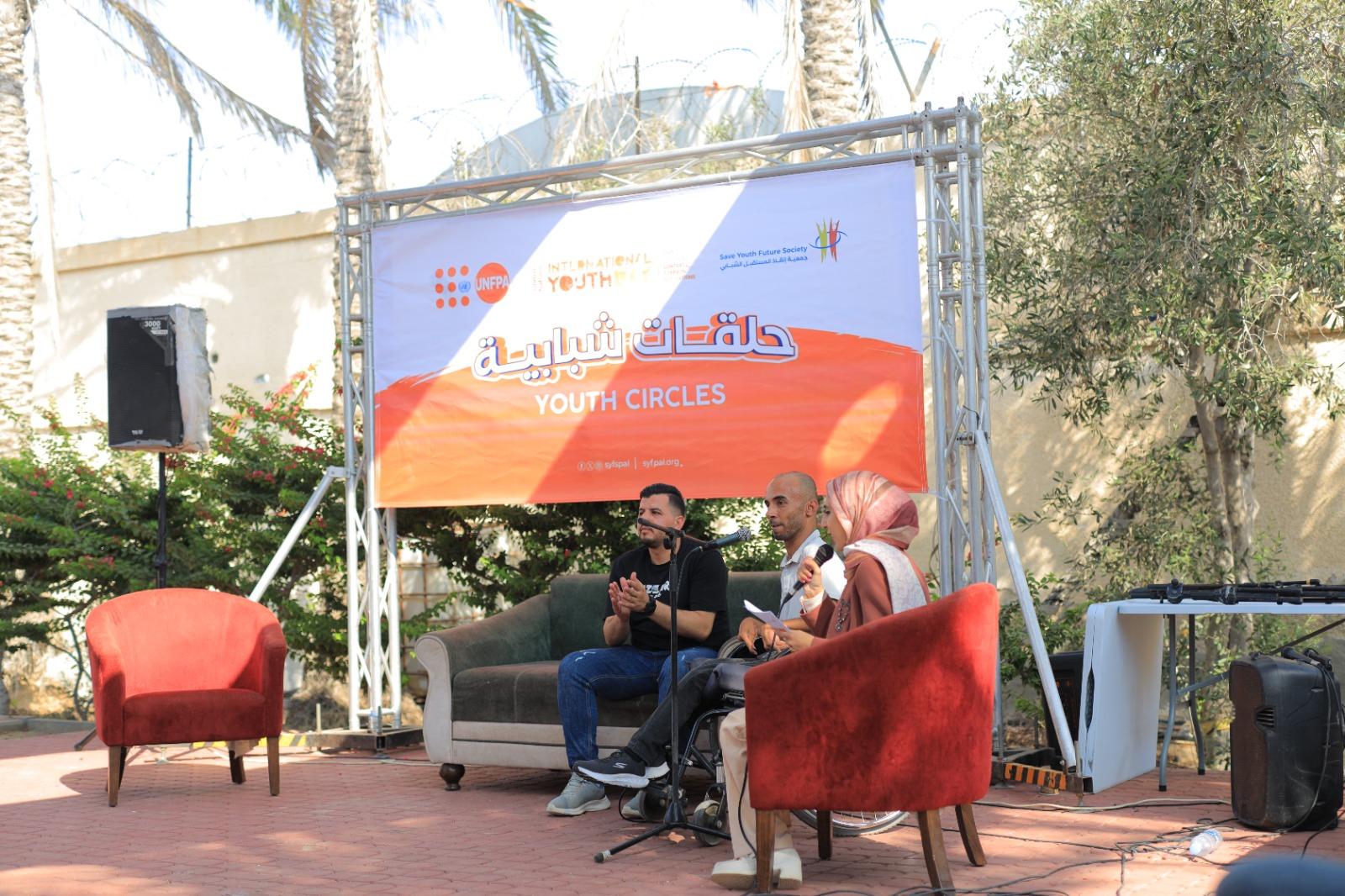
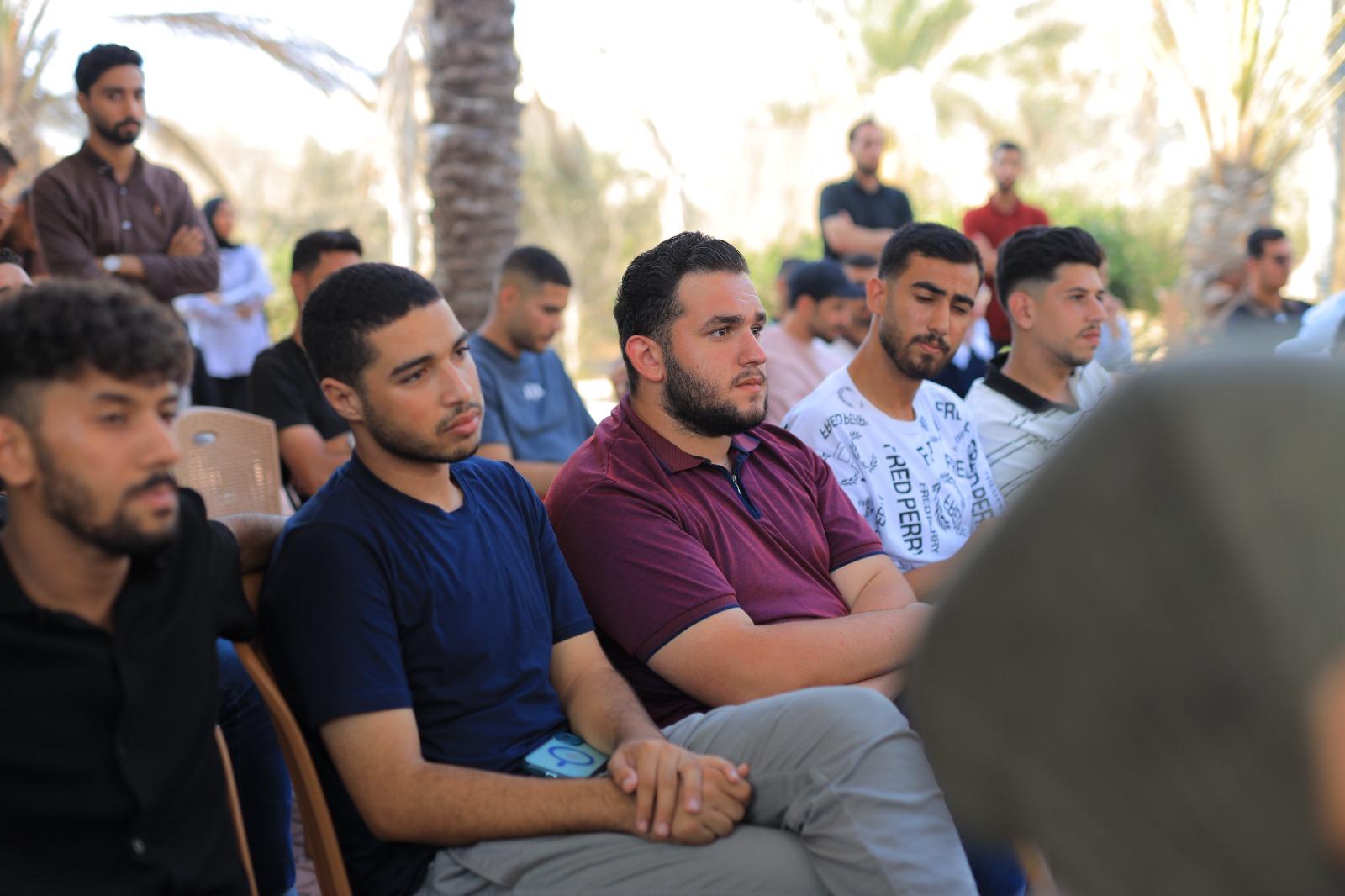
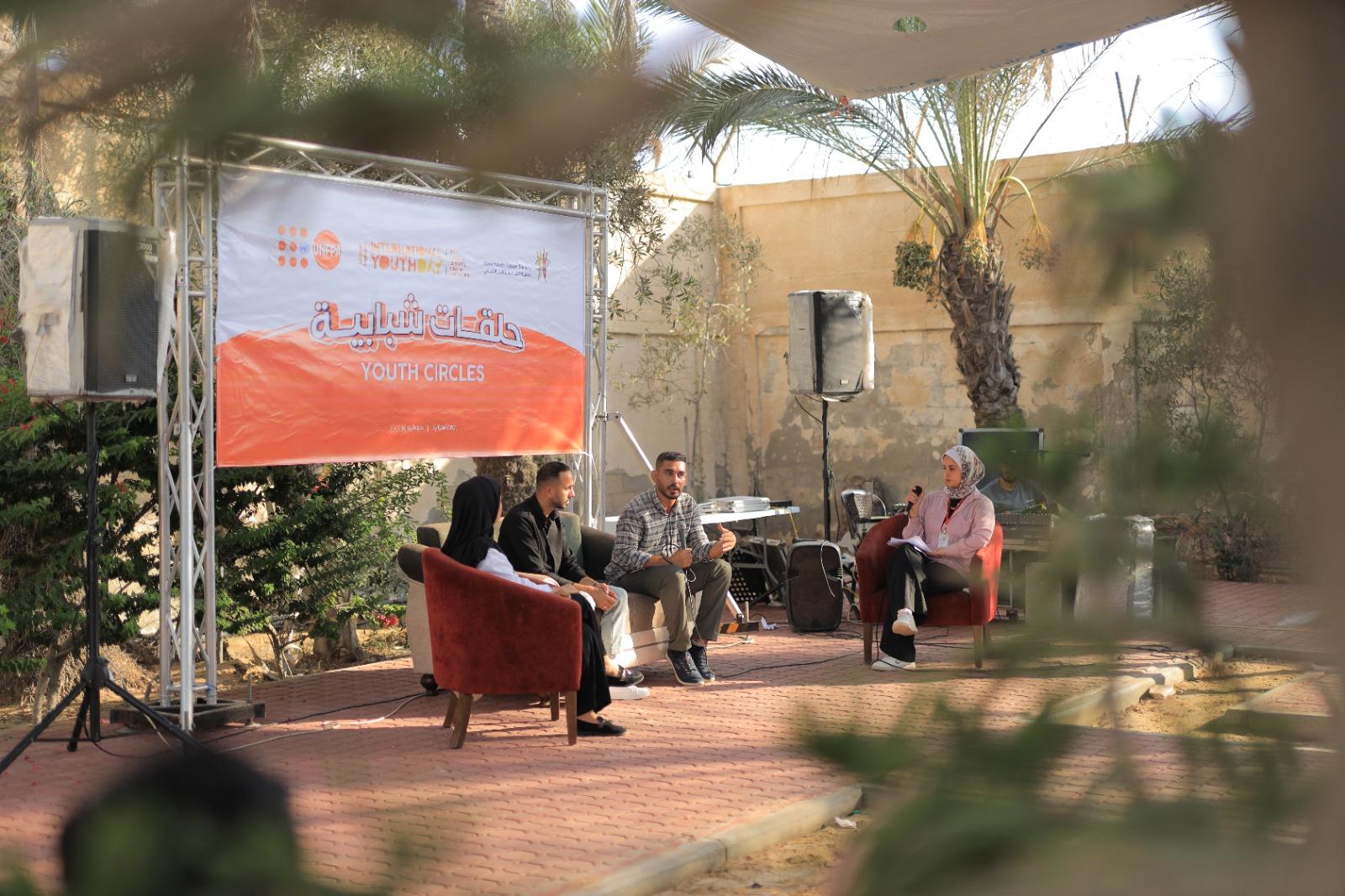
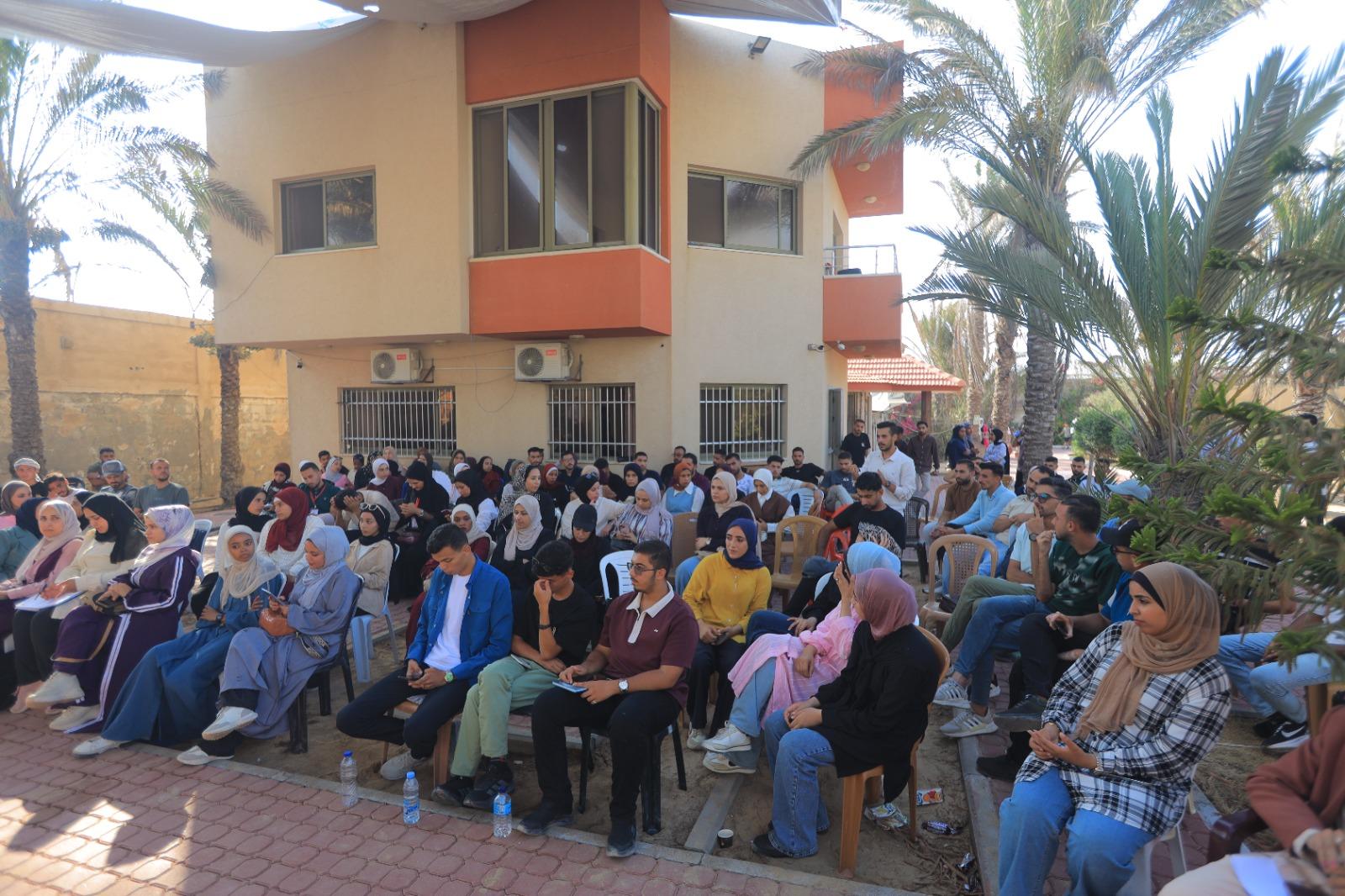
The dialogue, held at the headquarters of Save Youth Future Society in Al-Zawaida, brought together 115 young women and men from diverse backgrounds, including youth with disabilities, in a dialogue space aimed at discussing the realities facing young people in the Gaza Strip and the challenges they encounter, while exploring their shared aspirations and ways to transform them into initiatives and tangible social change.
The session was part of the “Youth Dialogues” series, which provides spaces for dialogue and participation, enabling young women and men to express their concerns and priorities and strengthen their presence in discussions related to their future.
The first session, “Different Contexts,” focused on the realities of youth with and without disabilities and the challenges resulting from the difficult humanitarian conditions in the Gaza Strip, particularly throughout the years of war.
Participants emphasized the importance of recognizing young people as a diverse group with different needs and experiences. They stressed the need to ensure the meaningful participation of youth with disabilities in the design of recovery and reconstruction programs and plans, rather than limiting their involvement to the implementation stage.
Youth activist Mohammad Abu Kmeil noted that disability is not solely related to the individual, but is also shaped by the barriers and difficulties imposed by society and the surrounding environment. He stressed the importance of ensuring that persons with disabilities are part of planning and decision-making processes.
The discussion also addressed the challenges faced by persons with disabilities during the war, including the lack of accessibility and appropriate accommodation in shelters, difficulties related to displacement and mobility, and the need to provide a more inclusive and accessible environment.
The second session, “Shared Aspirations,” explored a range of issues that represent key priorities for young people, including education, decent work, participation in decision-making, dignity, and economic empowerment.
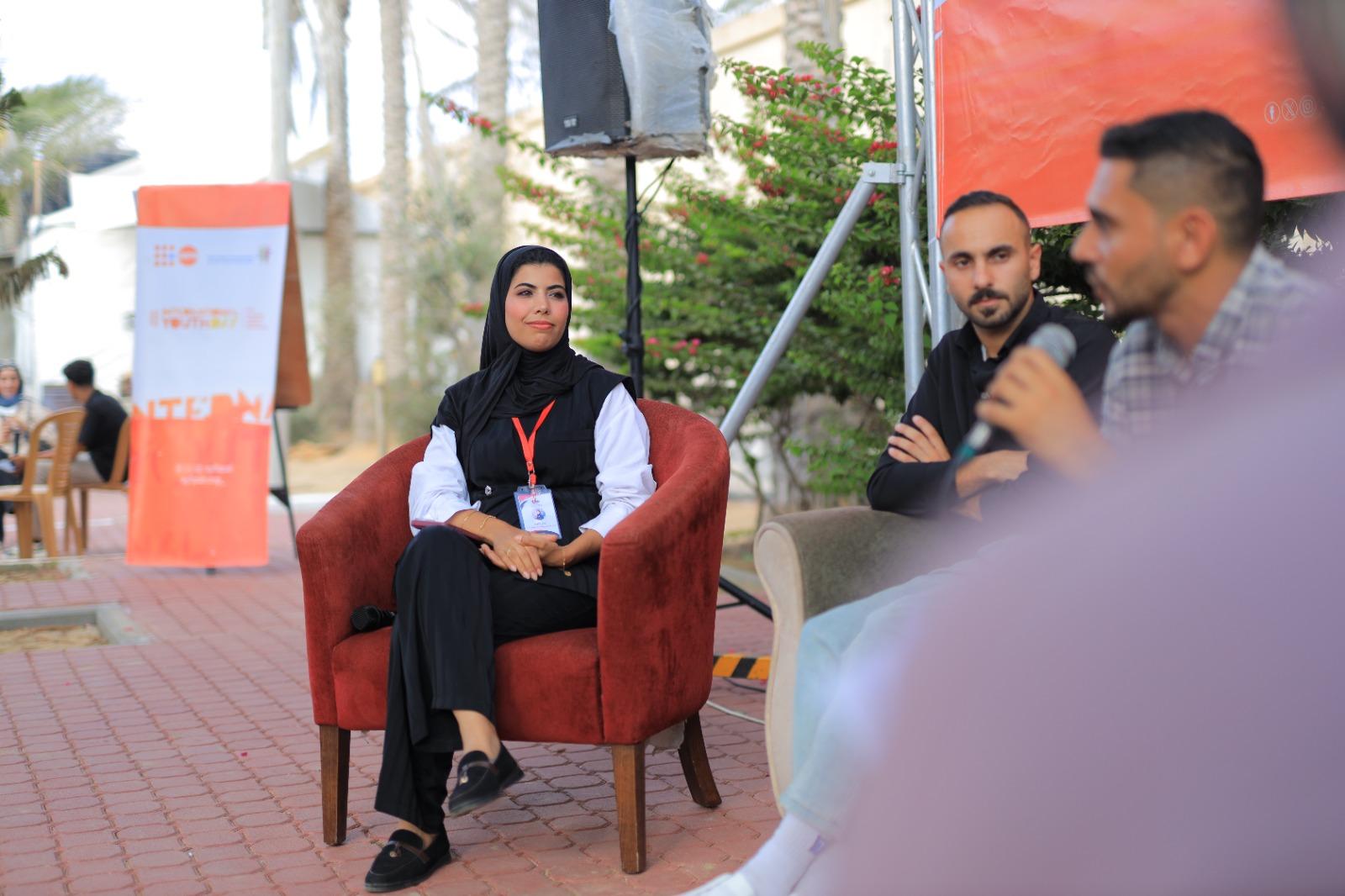
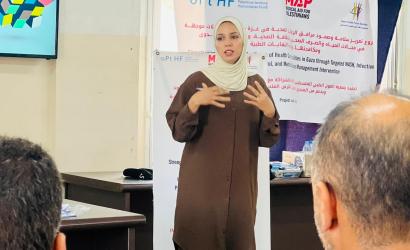
Ibtihal Shorab, Coordinator of the Youth Councils in Khan Younis Governorate, emphasized the importance of ensuring that young people are part of decision-making processes. She noted that many young people remain excluded from meaningful opportunities for participation, despite the direct impact of decisions and policies on their future.
For her part, Dina Al-Aklouk, Palestine-level Coordinator of Wayfinder, highlighted young people’s continued contributions despite the difficult circumstances imposed by years of war. She stressed the importance of having decision-makers, officials, and influential actors who listen to young people’s voices and engage with them.
The discussion concluded with a call to move from tokenistic participation to meaningful participation, while providing educational and vocational opportunities aligned with labor-market needs, creating decent and sustainable employment opportunities, and strengthening young people’s economic empowerment.
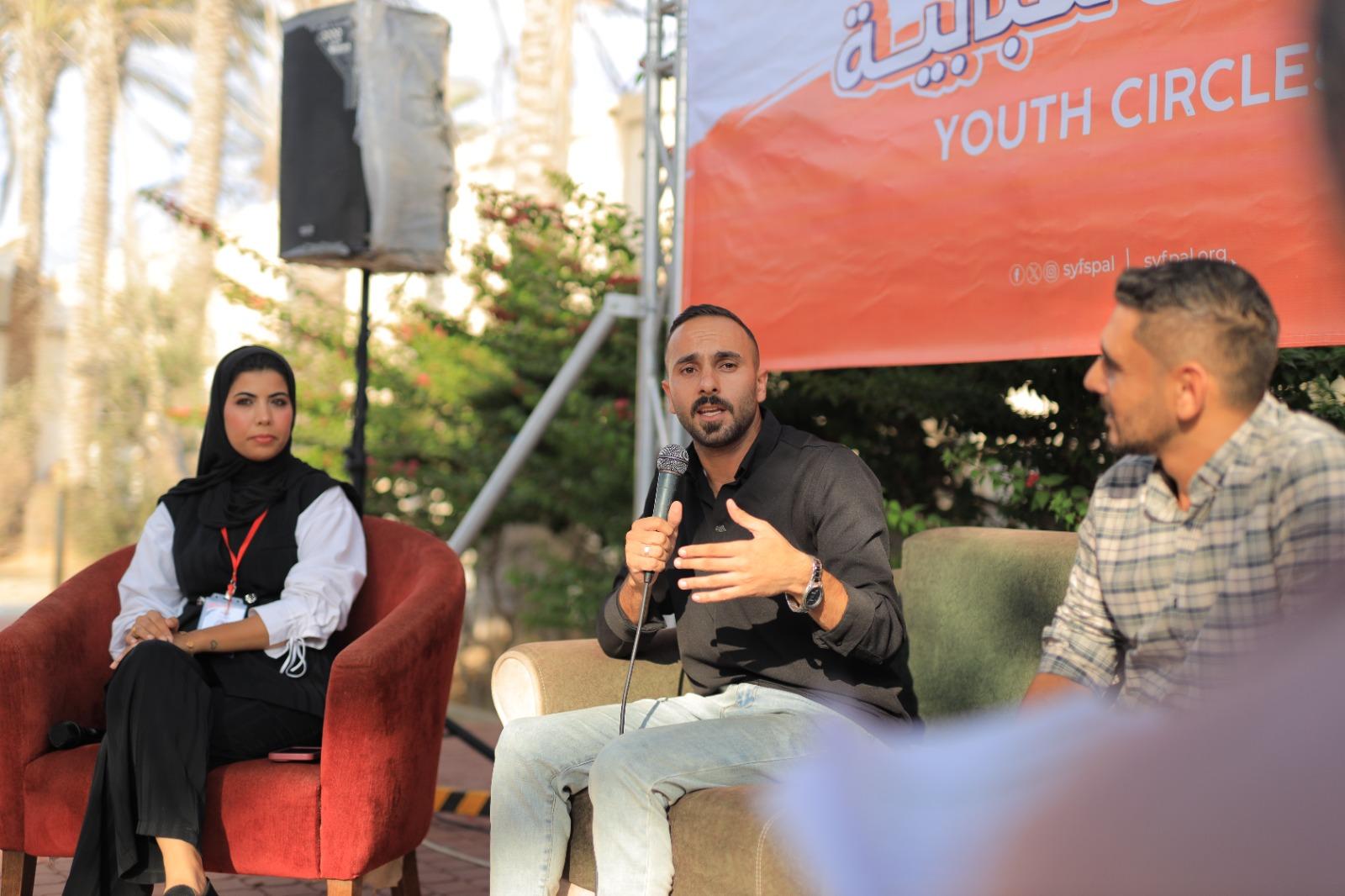
The third session, “From Aspiration to Action,” examined the role of international and local organizations, relief committees, youth teams, and youth councils in transforming young people’s ideas and aspirations into initiatives with meaningful social impact.
Participants emphasized the importance of providing clear programs and more flexible support for youth-led initiatives, enabling young people to respond to the needs of their communities and turn their ideas into practical interventions.
The discussion also highlighted the importance of building long-term partnerships with youth teams and councils and expanding access to small-scale funding for youth initiatives. Participants further called for developing mechanisms to measure the impact of youth-led initiatives and strengthening the financial support available to them.
The dialogue produced a set of recommendations, most notably:
The dialogue reaffirmed that differences in young people’s circumstances and contexts do not diminish the existence of shared aspirations that bring them together, foremost among them the right to education, work, participation, dignity, and the ability to influence decisions that affect their future.
Save Youth Future Society reaffirmed the importance of continuing to provide safe spaces for youth dialogue, strengthening young people’s participation in decision-making, and supporting youth-led initiatives, contributing to the development of a more inclusive society capable of responding to the needs of all its groups.